

Planning a full home remodel in Orange County can feel overwhelming. Remodeling isn’t just swapping fixtures or painting walls — it’s a coordinated effort of design, permits, construction, and problem-solving. Knowing realistic costs, timelines, and room-by-room priorities will help you plan effectively and avoid budget shocks.
This guide breaks down full home remodel budgets, kitchen and bathroom upgrades, ROI by room, permits, contractor comparisons, design trends, and DIY vs professional work — all with explanations for why each factor matters in 2026.
Whether you’re planning a major renovation or just budgeting for updates, this post will give you clarity and actionable insight.
Why Accurate Budgeting Matters
Home remodeling is complex because costs are driven by multiple hidden factors: labor, materials, permits, inspections, and unforeseen issues like water damage, outdated wiring, or structural problems.
Accurate budgeting helps you:
- Avoid overspending: Knowing expected costs prevents surprises.
- Plan realistic timelines: Delays often arise when budgets don’t account for permit wait times or material lead times.
- Compare contractors effectively: A detailed budget allows you to spot inconsistencies in bids.
- Make informed design choices: Understanding cost drivers helps you prioritize upgrades that improve value.
Pro tip: Allocate 10–20% of your total budget for unexpected issues, especially in older homes where hidden repairs often arise.
Full Home Remodel in Orange County: Costs & Timelines
Typical Cost Range
- $400–$600 per sq ft for a full home remodel with mid-to-high-end finishes
- Total estimate: $200,000–$500,000+, depending on size, scope, and finish level
Why costs vary:
- Labor: Skilled trades in Orange County charge above the national average.
- Materials: Choice of finishes (e.g., quartz vs laminate, hardwood vs vinyl) significantly changes cost.
- Structural changes: Moving walls, adding rooms, or reinforcing foundations increases both materials and labor.
- Permits and inspections: Required by local jurisdictions, often adding $5,000–$15,000 depending on complexity.
Timelines
- Design & Permitting: 1–3 months
- Construction: 4–8 months for standard projects
- Luxury remodels: 9–12+ months
Timeline length depends on home size, complexity, and how quickly permits are approved. Material availability can also create delays — for example, custom cabinets or imported tiles may take several weeks to arrive.
Pro tip: Always build buffer time into your schedule to account for these delays.
Kitchen Remodels: Costs & Timelines
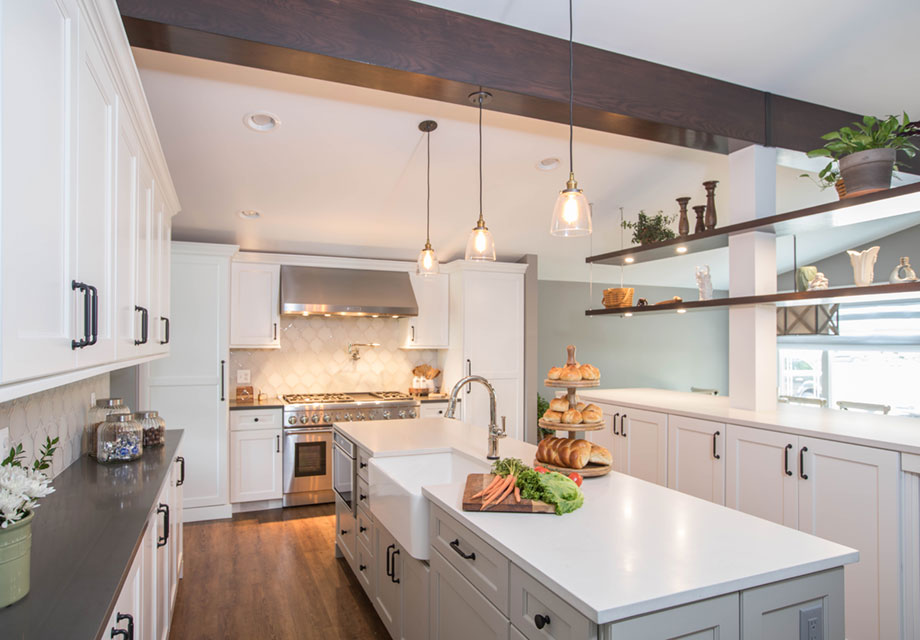
The kitchen is the heart of the home, and remodeling it is a major investment.
Cost
- Mid-range kitchen: $40,000–$70,000
- High-end remodel or layout changes: $80,000–$100,000+
Why Kitchens Cost More Than Other Rooms:
- Cabinets and countertops can make up 30–40% of the budget.
- Plumbing and electrical adjustments (moving sinks, adding appliances) require licensed tradespeople.
- Appliances vary widely — high-efficiency models or smart systems cost more but add long-term value.
Timeline
- Standard remodel: 6–10 weeks
- Complex layout changes: 10+ weeks
The timeline accounts for demolition, plumbing/electrical work, cabinet installation, countertops, flooring, and finishing touches. Any customization (like built-in storage or smart appliances) extends the schedule.
Pro tip: Prioritize high ROI upgrades: cabinets, counters, and energy-efficient appliances. Cosmetic additions like backsplashes can be added later if needed.
Bathroom Remodels: Costs, Timelines, and Explanation
Costs
- Standard bathroom: $25,000–$40,000
- Luxury remodel: $40,000–$60,000+
Factors Influencing Cost:
- Plumbing complexity: Moving a shower or bathtub increases labor.
- Tile selection: High-end tiles cost more and take longer to install.
- Fixtures: Premium faucets, toilets, and vanities raise costs but can enhance resale value.
Timelines
- Standard remodel: 3–5 weeks
- Complex plumbing or tile work: 5–8+ weeks
Bathrooms may be smaller than kitchens, but proper plumbing, waterproofing, and ventilation are critical. Cutting corners can cause long-term damage.
Pro tip: Cosmetic updates like paint, mirrors, and fixtures are faster and cost-effective if you’re on a tighter budget.
Planning & Permits in Orange County
- Permit timelines: Typically 2–6 weeks depending on city
- Required permits: Electrical, plumbing, structural, and sometimes design review
- Common mistakes: Forgetting HOA rules, missing inspections, or underestimating review times.
Permits ensure safety and code compliance. Skipping them may cause fines, insurance issues, or resale problems.
Pro tip: Start permit applications early and coordinate closely with your contractor to avoid delays.
Room-by-Room ROI
- Kitchen: Highest ROI. Upgrades in cabinetry, counters, and appliances often recover 60–80% of costs.
- Bathrooms: Moderate ROI. Mid-range remodels recoup more value than luxury features that may not appeal to all buyers.
- Living & bedrooms: Cosmetic upgrades enhance appeal but rarely recoup full cost.
- Outdoor spaces: Patios, decks, and landscaping improve livability and resale value.
Focus remodel budget on rooms that deliver the most value and enjoyment, then address secondary spaces if budget allows.
Pro tip: Prioritize kitchen and main bathroom for maximum return and daily functionality.
Comparing Contractor Bids
Key Steps:
- Compare labor vs materials
- Request detailed scope of work
- Check licenses, insurance, and references
- Avoid bids that are unusually low, which may indicate substandard work
Contractors price projects differently based on labor, materials, and subcontractors. A detailed comparison ensures quality and avoids overspending.
Pro tip: Collect 3–5 bids and ask questions about discrepancies before deciding.
Design & Material Trends (2026)
- Kitchens: Open layouts, quartz countertops, soft-close cabinets, energy-efficient appliances
- Bathrooms: Minimalist fixtures, walk-in showers, smart mirrors, large-format tiles
- Flooring: Engineered hardwood, luxury vinyl, eco-friendly materials
- Eco upgrades: Solar panels, high-efficiency HVAC, improved insulation
Staying updated ensures your remodel feels modern, adds value, and meets lifestyle needs.
Pro tip: Combine modern trends with timeless design for longevity and resale appeal.
DIY vs Professional Work
- DIY-friendly tasks: Painting, minor fixture updates, landscaping
- Professional work: Plumbing, electrical, structural modifications, major tile or cabinetry work
- Cost vs risk: Professionals ensure safety, compliance, and high-quality results. Mistakes on critical systems are costly to fix.
Pro tip: Even if you DIY, consult a licensed contractor for major work to protect safety, permits, and warranties.
Cost Drivers in Orange County
When planning a full home remodel in Orange County, understanding the key cost drivers can help you anticipate expenses, avoid surprises, and make informed decisions. Here’s a detailed breakdown:
1. Labor Above National Averages
Orange County has a high cost of living, which means skilled tradespeople such as electricians, plumbers, and carpenters charge higher rates than the national average. Labor can account for 30–50% of your total remodel budget, especially for projects involving structural changes, custom cabinetry, or extensive plumbing and electrical work.
While a basic bathroom remodel might cost $25,000–$40,000, labor alone could represent $10,000–$20,000 due to local wage standards.
Tip: When budgeting, request detailed labor breakdowns in your contractor quotes so you know what you’re paying for and can compare fairly.
2. Permit and Inspection Fees
Every remodel requires permits to ensure work complies with local building codes. These can include electrical, plumbing, structural, and design review permits. Orange County cities and towns have varying fee schedules, typically ranging from $5,000–$15,000 for a full remodel.
Why it matters: Failing to account for permit fees or inspection timelines can delay your project and result in fines or required rework.
Tip: Work with your contractor early to submit permits and schedule inspections efficiently. Include these costs in your initial budget to avoid surprises.
3. Design and Engineering Costs
Remodeling projects often require professional design and engineering services, particularly if you are:
- Reconfiguring room layouts
- Adding structural supports or walls
- Installing complex electrical or plumbing systems
Design fees can range from 5–15% of the total project cost, depending on the architect or designer’s experience and the project complexity.
Tip: Invest in proper design upfront — a well-planned remodel reduces mistakes, helps you stay on budget, and ensures compliance with local codes.
4. Material Availability and Delivery Times
High-demand materials, custom finishes, or imported products can increase costs and extend your project timeline. For example:
- Custom cabinets or countertops may take 4–12 weeks to fabricate
- Specialty tiles or flooring may ship from out of state or overseas
- Delays in delivery can create labor idle time, which increases overall costs
Tip: Discuss material availability with your contractor early, order in advance, and have backup options to avoid delays.
5. Coastal and City-Specific Building Regulations
Orange County spans coastal and inland areas, each with different regulations:
- Coastal homes may require additional stormwater management or flood-resistant features
- Some cities require design review boards to approve exterior changes
- Local rules may affect allowable rooflines, window styles, or building height
Why it matters: Compliance with these regulations ensures safety, protects your investment, and avoids fines or mandatory rework.
Tip: Factor in potential additional costs for coastal or city-specific requirements when estimating your budget.
Understanding these factors helps you anticipate costs, avoid delays, and make informed budget decisions.
Case Studies & Examples
| Remodel Type | Typical Cost | Timeline |
| Full Home Remodel | $400–$600/sq ft | 4–8 months |
| Kitchen Remodel | $40k–$70k+ | 6–10 weeks |
| Bathroom Remodel | $25k–$40k+ | 3–5 weeks |
| Contingency Fund | +10–20% | N/A |
Pro tip: Use these examples to set realistic expectations for your remodel.
Insider Tips Before You Start
- Plan for surprises — older homes may hide issues
- Get multiple contractor bids
- Understand local permits and HOA rules
- Focus on upgrades that balance cost, function, and ROI
Your Orange County Remodel Starts Here – Schedule a Consultation!
Remodeling a full home in Orange County can be complex, but with the right planning, budgeting, and professional guidance, it’s absolutely achievable. From kitchens and bathrooms to permits, timelines, and design trends, understanding these factors ensures your remodel is smooth, efficient, and adds long-term value.
Ready to turn your home vision into reality? Contact Kol & Co. today to schedule a consultation and get a personalized plan for your Orange County full home remodel. Our team will guide you through every step — from budgeting and design to construction and finishing touches — so your dream home becomes a reality.
Frequently Asked Questions
How do I choose the right home remodel style for Orange County?
Choosing a remodel style involves considering your home’s architecture, lifestyle needs, and long-term resale value. Popular 2026 trends include modern open layouts, coastal-inspired finishes, and eco-friendly upgrades. Prioritize designs that balance aesthetics, functionality, and ROI.
Can older Orange County homes handle a full remodel?
Yes, but older homes often require structural inspections, electrical upgrades, and plumbing updates before major renovations. Factor in these potential issues into your budget and timeline to avoid surprises.
What should I consider when remodeling multiple rooms at once?
Remodeling multiple rooms simultaneously can save time but requires careful logistics, staging, and budget management. Prioritize high-ROI spaces like the kitchen and main bathrooms first, then plan secondary spaces like bedrooms or living areas.