
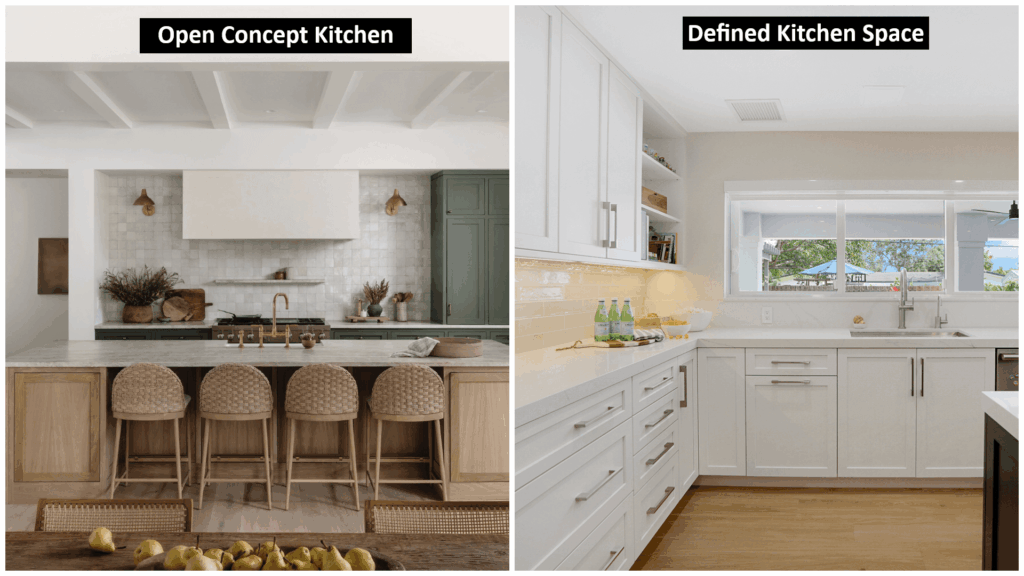
If you’re considering a kitchen remodel, particularly in Orange County, where home styles range from coastal modern to classic California ranch, one of the biggest decisions you’ll face is this: Should your kitchen be open concept or feature defined, separated spaces?
This isn’t just about aesthetics. Layout impacts everyday living, entertaining patterns, resale value, storage solutions, and how your home feels to live in. Today’s homeowners want spaces that are functional, beautiful, and aligned with how they actually live — not just what looks trendy.
Why Kitchen Layout Matters in Orange County Homes?
In Orange County, kitchen design isn’t just about cabinets and countertops — it’s about lifestyle. The way your kitchen connects (or separates) from the rest of your home directly affects home value, resale appeal, daily functionality, and even energy efficiency.
1. Indoor–Outdoor Living Influence
From coastal properties in Newport Beach to suburban homes in Irvine and Mission Viejo, many Orange County homes are designed around natural light and indoor-outdoor flow. Large sliding doors, patios, and backyard entertaining areas are common.
An open concept kitchen often enhances that seamless California lifestyle — allowing the kitchen, dining area, and outdoor living space to feel connected. But in some remodels, strategic zoning or partial separation helps control airflow, temperature, and noise while still maintaining visual openness.
2. Home Value & Resale Considerations in the Market
Orange County’s real estate market is competitive and high-value. Buyers here are often design-savvy and trend-aware.
- Open floor plan homes still attract younger buyers and growing families.
- Defined or hybrid kitchen layouts are appealing to homeowners who prioritize organization, quiet living, and dedicated spaces — especially in luxury remodels.
A thoughtfully designed kitchen layout can significantly impact resale value, buyer perception, and days on market. It’s not about following a trend — it’s about executing a layout that feels intentional and high-end.
3. Space Efficiency in Homes
Not all homes are sprawling estates. Many properties like townhomes, condos, older ranch houses benefit from strategic layout planning.
- In smaller homes, open concepts can make spaces feel larger.
- In larger homes, defined kitchens can add sophistication and purpose to each room.
- In both cases, hybrid zoning maximizes functionality without wasting square footage.
Kitchen layout decisions directly influence traffic flow, storage solutions, workflow efficiency, and clutter management — all major search topics homeowners research before remodeling.
4. Lifestyle & Entertaining Preferences
Homeowners tend to entertain — whether it’s backyard barbecues, holiday gatherings, or casual weekend get-togethers.
- An open concept kitchen allows hosts to cook while interacting with guests.
- A defined kitchen allows for prep privacy while keeping entertaining areas polished and clutter-free.
The right layout depends on how you host — and how often.
5. Personalization Over Trend Chasing
One of the biggest shifts in 2025–2026 remodeling trends is personalization. Homeowners are moving away from cookie-cutter open floor plans and asking deeper questions:
- How does this space serve my family?
- Where do we naturally gather?
- Do we want connection, separation, or both?
In Orange County, where architectural styles range from modern coastal to Mediterranean revival, the most successful kitchen remodels are the ones that blend function, lifestyle, and local design character.
What Is an Open Concept Kitchen?
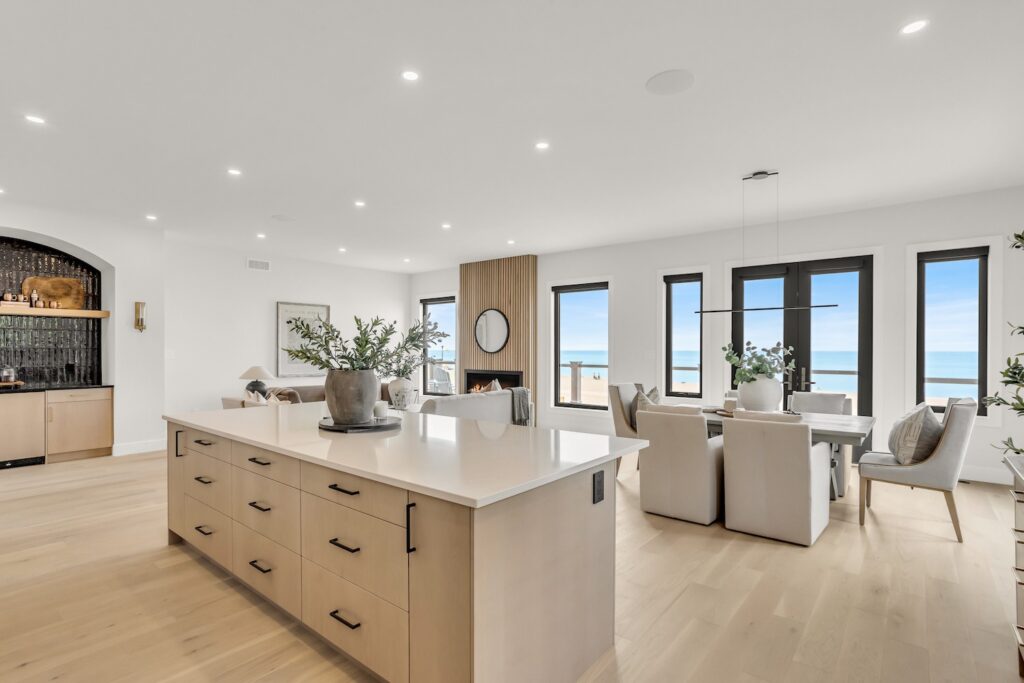
An open concept kitchen is a kitchen layout that removes walls and physical barriers between the kitchen, dining room, and living room to create one large, connected living space. Instead of separate rooms, the home flows seamlessly from one area to another.
This type of open floor plan became especially popular in modern home remodeling because it enhances visibility, natural light, and social interaction — three elements many Orange County homeowners prioritize.
Pros and Cons of Open Concept Kitchens
If you’re researching a kitchen renovation in Orange County, you’ve likely asked:
- Is an open concept kitchen worth it?
- Do open kitchens increase home value?
- What are the pros and cons of an open floor plan?
- Is open concept still in style in 2026?
Let’s break it down honestly — from a remodeling expert’s perspective.
Pros of an Open Concept Kitchen
1. Better Flow & Social Connection
An open kitchen connects seamlessly to dining and living spaces, making it ideal for entertaining. You can cook, prep, and host without feeling isolated.
This layout supports:
- Family interaction
- Dinner parties and gatherings
- Supervision of children
- Indoor-outdoor entertaining (especially popular in Orange County homes)
2. More Natural Light
Without walls blocking windows, natural light travels further throughout the home. This is especially beneficial in smaller homes or properties that rely on limited window placement.
3. Modern, Spacious Aesthetic
Open concept kitchens create the feeling of a larger footprint — even if square footage hasn’t changed. That perception matters in both daily living and resale situations.
4. Potential Resale Appeal
Do Open Kitchens Increase Home Value?
In many Orange County neighborhoods, yes — but conditionally.
Open floor plans are still attractive to:
- Young families
- Buyers seeking modern layouts
- Homes designed around entertaining
However, value comes from execution, not just openness. A poorly planned open concept (with bad lighting, awkward traffic flow, or insufficient storage) can actually hurt appeal.
Well-designed open kitchens can:
- Improve buyer perception
- Reduce days on market
- Increase competitive interest
But layout must align with the home’s architecture and target buyer profile.
Cons of an Open Concept Kitchen
1. Noise Travels
Dishwashers, range hoods, and clanging cookware become part of the living room environment.
2. Cooking Mess Is Always Visible
There’s no hiding prep clutter or unwashed dishes. Cleanliness becomes more important in open layouts.
3. Fewer Upper Cabinets
Removing walls often reduces cabinetry space. Storage must be creatively re-engineered with:
- Large islands
- Walk-in pantries
- Floor-to-ceiling cabinetry
Without thoughtful planning, storage can suffer.
4. Less Privacy & Separation
Some homeowners simply prefer distinct rooms. Defined spaces can create mental boundaries that feel calmer and more intentional.
Is an Open Concept Kitchen Worth It?
The real answer: It depends on how you live.
An open concept kitchen is worth it if:
- You entertain often
- You prefer a modern, connected layout
- You value visibility and shared space
- Your home’s structure supports proper flow
It may not be ideal if:
- You cook frequently with heavy prep
- You value quiet, contained spaces
- You prefer distinct room identities
The goal isn’t chasing trends — it’s creating a kitchen layout that enhances your daily experience.
What Are Defined Kitchen Spaces?
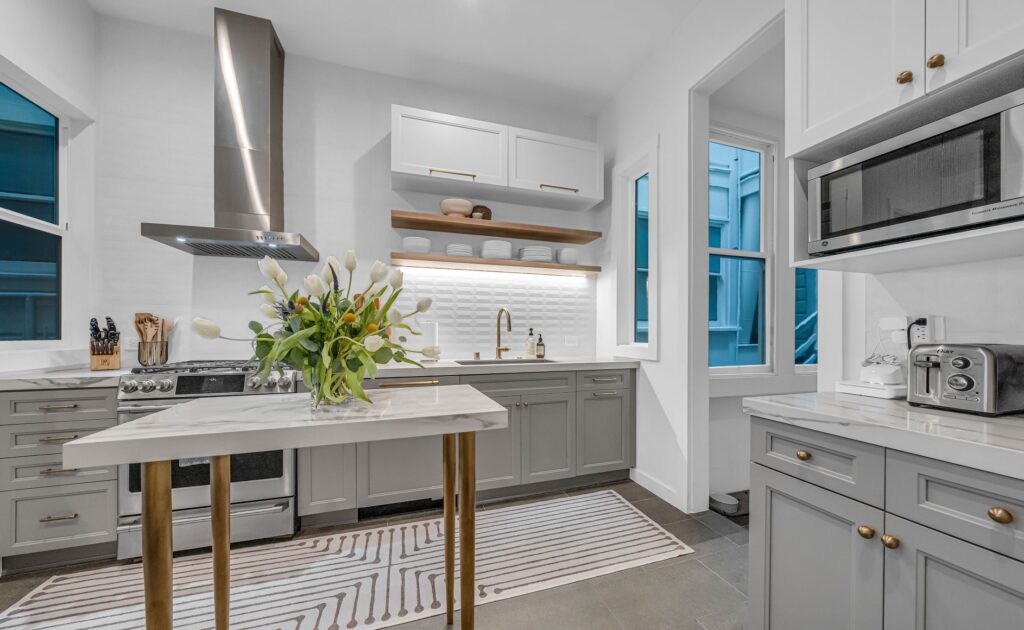
A defined kitchen space (also called a closed kitchen or traditional kitchen layout) is a kitchen that is separated from other areas of the home by walls, doors, pocket doors, archways, or architectural dividers. Instead of blending into the living and dining areas, the kitchen functions as its own dedicated room.
While open floor plans became dominant in the early 2000s, defined kitchens are making a strong comeback — especially among homeowners who prioritize organization, privacy, noise control, and purposeful design.
Pros and Cons of Defined Kitchen Layouts
As more homeowners reconsider fully open floor plans, important questions are resurfacing:
- Are closed kitchens coming back?
- Is a traditional kitchen better for resale?
- What are the benefits of a closed kitchen layout?
- Should I separate my kitchen from the living room?
Let’s take an honest look at the advantages and tradeoffs.
Pros of Defined (Closed) Kitchen Layouts
1. Better Noise & Odor Control
One of the biggest complaints about open kitchens is noise. In a defined kitchen layout, walls naturally contain:
- Dishwasher sounds
- Vent hood noise
- Blender and appliance operation
- Cooking aromas
For serious home cooks, this separation makes everyday living more comfortable.
2. Visual Privacy & Cleaner Presentation
When guests walk into your home, they see the living room — not the prep mess.
A closed kitchen allows:
- Temporary clutter without affecting the main space
- Stress-free entertaining
- A polished aesthetic in entertaining areas
This is especially appealing in high-end remodels where visual presentation matters.
3. More Cabinetry & Storage Options
Walls provide opportunity for:
- Upper cabinetry
- Built-in pantry systems
- Appliance garages
- Floor-to-ceiling storage
If maximizing storage is a top priority, defined layouts often outperform open ones.
4. Stronger Design Identity
Defined kitchens allow homeowners to give the space its own personality — whether that’s modern European, classic transitional, or coastal California — without having to coordinate every design detail with adjacent rooms.
Cons of Defined Kitchen Layouts
1. Reduced Natural Light
Walls can block light flow, making smaller kitchens feel more enclosed unless carefully designed with windows, glass doors, or strategic lighting.
2. Less Social Connectivity
Hosts may feel separated from guests while cooking. Parents may lose sight lines to living areas.
For homeowners who prioritize togetherness, this can feel limiting.
3. Potentially Perceived as “Less Modern”
While trends are shifting, some buyers still associate open floor plans with contemporary living. Execution and design quality become critical in avoiding an outdated look.
The Middle Ground — Hybrid and Zoned Kitchens
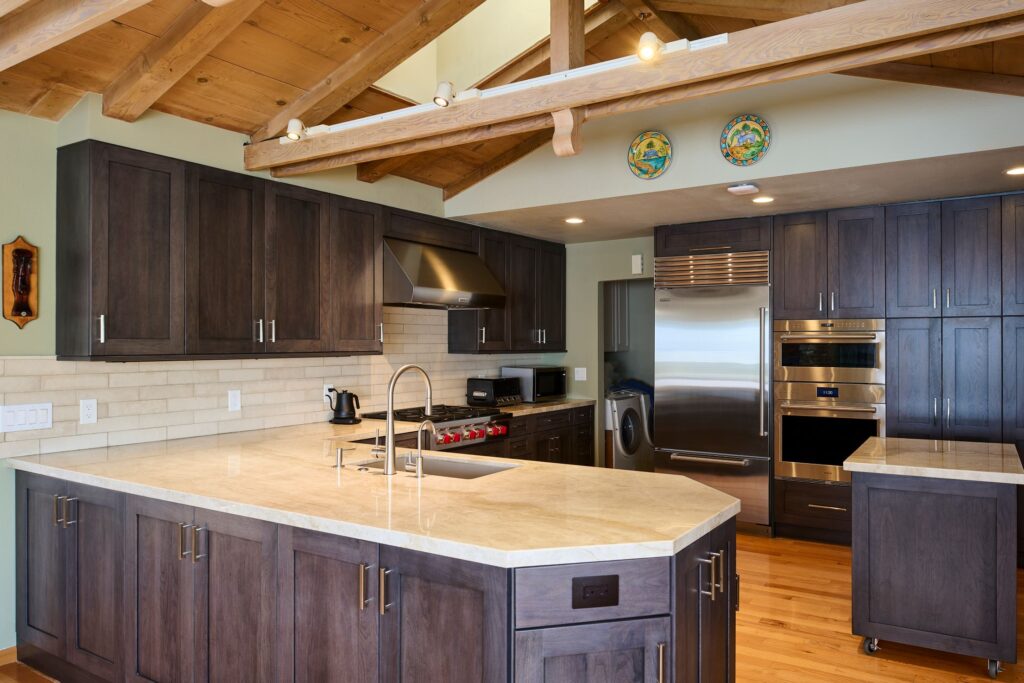
The newest trend blending the best of both worlds is zoning — dividing spaces visually and functionally without completely closing them off. Designers in 2026 are emphasizing kitchen zones for prep, cooking, storage, and socializing — even within an open floor plan.
Hybrid solutions include:
- Half walls or glass partitions — maintain sight lines but reduce noise
- Large islands as partial separators
- Designated dining nooks adjacent to kitchen zones
- Strategic lighting and cabinetry defining function areas
These “defined zones within an open plan” give you space flexibility and functional distinction — making it a favorite for modern Orange County homes looking for both connectivity and practicality.
What Orange County Homeowners Are Choosing in 2026
Based on local kitchen design trends and expert insights:
- Open concept layouts are still widely popular — especially in newer constructions and upscale coastal homes where open living spaces are a staple.
- But defined or semi-open spaces are growing in demand — homeowners want clearer task zones, quieter kitchens, and better organization than a completely open floor plan can provide on its own.
- Hybrid zoning layouts appear most often in recent projects — used to balance social living with functional kitchen workflows. Designers emphasize lighting, cabinetry, flooring transitions, and furniture placement to articulate zones without walls.
How to Decide: Questions to Ask Before Your Remodel
Instead of guessing what’s “best,” answer these:
- How do you live day-to-day? Entertain often or mainly cook for family?
- Do you value privacy in cooking areas?
- Is storage and organization a priority?
- How does your home layout handle natural light and circulation?
- Are you planning to sell soon? (Resale preferences vary by market.)
Your ideal layout should enhance functionality first, then form. Great design always starts with real life — not just aesthetics.
Open Concept vs. Defined Spaces: Cost Comparison
When homeowners ask, “Is it more expensive to open up a kitchen?” or “Is a closed kitchen more affordable to remodel?” — the honest answer is: it depends. Costs are driven more by structural changes and design complexity than by layout preference alone.
Open Concept Kitchens
Opening a kitchen often requires removing walls — and that’s where costs can increase. Structural reinforcements (such as beams), electrical rerouting, ceiling patching, flooring transitions, and HVAC adjustments may all be necessary.
Because the kitchen becomes visually connected to adjacent living areas, finishes, lighting, and materials must feel cohesive throughout the expanded space. That broader design scope typically requires more detailed planning and coordination.
Defined Kitchen Spaces
Maintaining existing walls usually reduces the need for structural work, which can help control costs. However, defined kitchens may require additional cabinetry, doors, partitions, or built-in storage solutions to maximize efficiency within a contained footprint.
In some cases, cabinetry and millwork investments offset the savings from avoiding structural modifications.
What Impacts Investment the Most?
- Structural modifications
- Level of cabinetry customization
- Lighting and electrical upgrades
- Storage design and functionality
- Overall layout reconfiguration
In many Orange County remodels, the most cost-effective solution isn’t fully open or fully closed — it’s a strategic redesign that improves flow without unnecessary structural work.
Ultimately, the smartest investment is the one that aligns with your home’s structure and how you actually live in the space.
Conclusion
Choosing between an open concept kitchen and a defined kitchen space is more than a design decision — it’s about lifestyle, functionality, and long-term value. Open layouts create spacious, connected environments perfect for entertaining and family interaction. Defined kitchens offer privacy, noise control, storage, and a more structured workflow.
At Kol & Co. a home remodeling and full general contractor, we help Orange County homeowners, as well as clients in West Los Angeles and North San Diego, make the right choice for their homes. With over 15 years of experience, fully licensed, bonded, and insured, we specialize in creating kitchens that combine beauty, functionality, and lasting value. Every remodel is customized to your lifestyle and home architecture, ensuring your space works for you — not just following trends.
Ready to Transform Your Kitchen? Call Kol & Co.
If you’re thinking about whether an open concept kitchen or a defined layout is right for your home, now is the perfect time to talk with the experts.
Our team at Kol & Co. will:
- Evaluate your home’s structure and flow
- Discuss your lifestyle and design preferences
- Provide expert guidance on layout, storage, and functionality
Don’t leave one of the most important decisions in your home to chance. Call us today to schedule a consultation and create a kitchen that fits your life, style, and long-term goals.
Kol & Co. – Turning Orange County homes, West LA, and North San Diego homes into dream kitchens for over 15 years. Licensed, bonded, and insured for your peace of mind.
Frequently Asked Questions
Is an open concept kitchen going out of style?
No. Open concept kitchens remain popular, especially in modern homes and coastal California designs. However, trends are shifting toward hybrid layouts that combine openness with strategic zoning for privacy, storage, and noise control. Many homeowners in Orange County are balancing style with functionality rather than following open floor plans blindly.
Are closed kitchens making a comeback?
Yes. Defined or traditional kitchens are experiencing renewed interest among homeowners who value privacy, organized storage, and reduced noise. Modern closed kitchens often include features like glass partitions, pocket doors, and functional zones to maintain flexibility while keeping the kitchen separate from living areas.
Does removing a wall add value to a home?
It can — if executed thoughtfully. Removing non-load-bearing walls to create an open floor plan can enhance the perception of space, natural light, and connectivity, which appeals to many buyers. However, structural changes must be planned carefully to ensure the kitchen workflow, lighting, and storage are optimized. Poorly executed wall removals can negatively impact resale appeal.
What kitchen layout works best for small OC homes?
For smaller Orange County homes, both open concept kitchens and well-planned defined layouts can work. Open layouts make spaces feel larger and brighter, while defined kitchens can maximize storage and functionality. Designers often use hybrid approaches, like partial walls, islands, or built-in storage, to create efficiency without compromising style.
What kitchen layout works best for small OC homes?
For smaller Orange County homes, both open concept kitchens and well-planned defined layouts can work. Open layouts make spaces feel larger and brighter, while defined kitchens can maximize storage and functionality. Designers often use hybrid approaches, like partial walls, islands, or built-in storage, to create efficiency without compromising style.